Changes to Waste Transport System in Rauma and Eurajoki – Transport to Become Municipally Organized
News
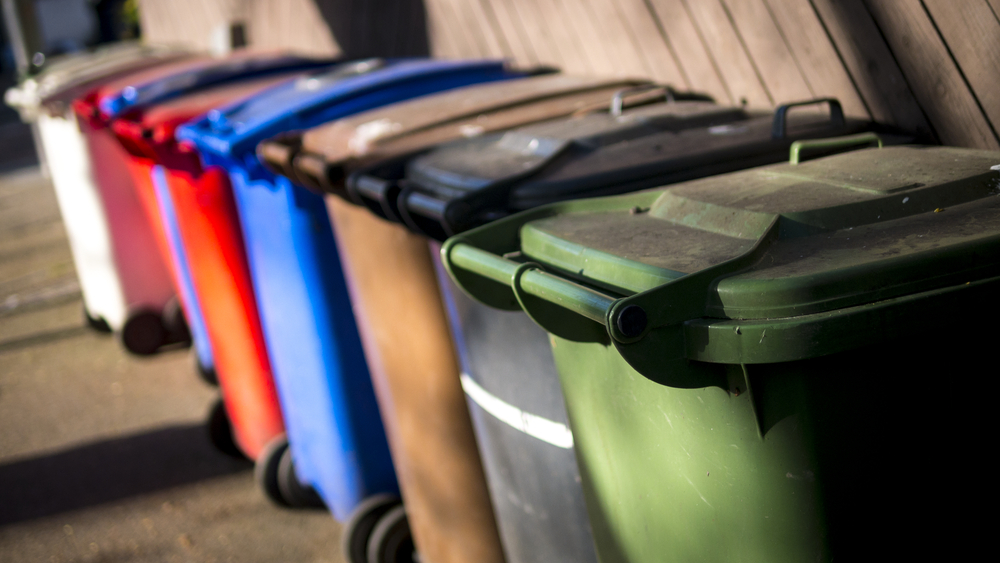
The Waste Management Board for the Rauma Region has decided to transition to municipally organized waste transport in the Rauma and Eurajoki areas. In Rauma, the city will in future be responsible for the collection of septic and holding tank sludge. In Eurajoki, in addition to these, the collection of mixed municipal waste will also be transferred to municipal responsibility.
The Waste Management Board for the Rauma Region made its decisions on waste transport systems in the Rauma and Eurajoki areas at its meeting on 26 May 2026.
The Board decided that in the Rauma area, the transport of septic and holding tank sludge will be transferred to municipally organised waste transport starting on 1 May 2030. In Eurajoki, the same transition will take place for septic and holding tank sludge on the same schedule. In addition, the collection of mixed municipal waste in Eurajoki will become the municipality’s responsibility as of 1 November 2029.
– As a result of the change, residents will be able to access all waste management services from a single provider. These services include, for example, emptying of waste containers and septic tanks, invoicing, composting notifications, and advisory services, explains Jenni Korkeakoski, Waste Management Specialist at the City of Rauma.
The changes will not affect waste transport immediately. According to Korkeakoski, the transition periods will last several years to allow sufficient data to be collected for the competitive tendering of transport services and for completing the customer register. During the transition period, the emptying of waste containers and sludge tanks will continue as before. The waste management authority for the Rauma region will provide separate updates on the changes and their progress to the properties and operators concerned.
Decision based on background studies and statements
The decisions were based on a waste transport system assessment. According to Korkeakoski, the Waste Act sets the conditions under which residents can choose their own waste transport provider. Based on the assessment, these conditions are not met, and the region must therefore transition to municipally organised waste transport.
The assessment indicates that a municipally organised transport model provides better conditions for ensuring service quality and coverage. Transport services will be competitively tendered and organised so that all properties are treated equally, regardless of their location within the service area.
– As a result of the change, waste fees will be standardised, meaning that the cost of waste collection will be the same regardless of a property’s location. Prices will be publicly available, and invoices will clearly itemise treatment and transport costs. In addition, the overall cost of waste management for residents is likely to decrease, Korkeakoski notes.
With the organisation, monitoring and supervision of transport centrally managed by the municipality, the necessary information will be readily available to authorities, and environmental and health risks can be minimised. Overall waste management planning will become easier, and emissions will decrease as transport routes are optimised across the entire area.
The background material for the assessment was publicly available in spring 2026, and statements were requested from, among others, the Licensing and Supervisory Authority, environmental protection authorities, and the Rauma Region Waste Management Company. These bodies considered the transition to municipally organised waste transport to be recommendable or favourable.